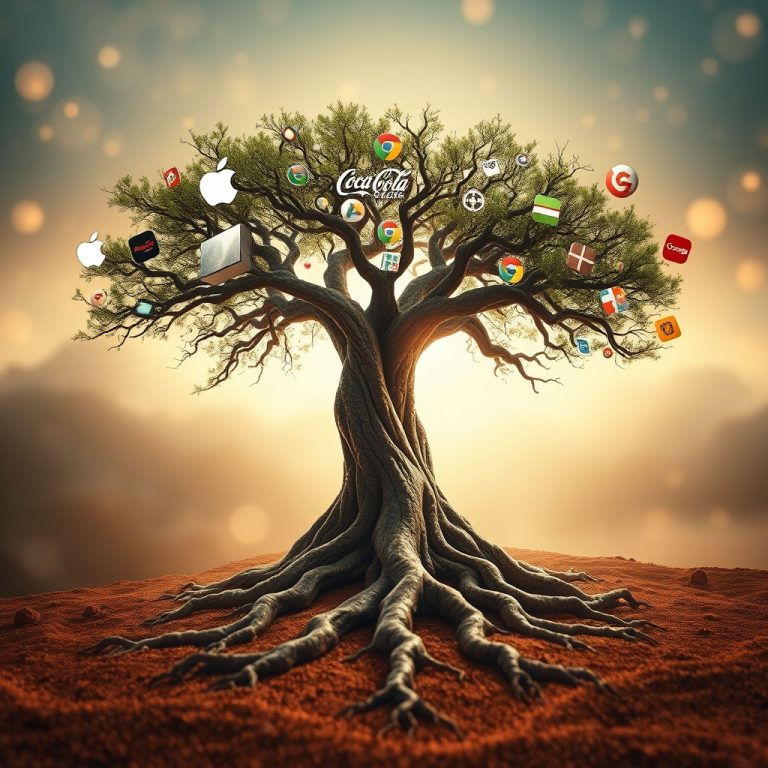

There is something deeply human about the way a name lingers in the air, carrying with it the weight of memory, the echo of a promise, and the quiet anticipation of what comes next. Brand evolution is not merely a strategic pivot—it is a story unfolding, a whispered confession of growth, struggle, and transformation. Like the rings of an ancient tree, each change in a brand’s identity tells a tale of adaptation, resilience, and the relentless pursuit of relevance in an ever-shifting world.
But why do some brands cling to their past while others shed their skin entirely? What does it mean when a logo, once familiar as an old friend, suddenly feels foreign? These questions are not just about design or marketing; they are about the soul of a brand, the intangible essence that binds it to the hearts of those who believe in it.
The Alchemy of Identity: When a Name Becomes More Than Words
A name is never just a name. It is a vessel for meaning, a container for dreams, and sometimes, a mirror reflecting the fears and aspirations of an era. Consider the quiet revolution of Google, which began as BackRub—a moniker that, in hindsight, feels almost comically literal. The shift was not just about rebranding; it was about reimagining what the brand could become. A name change is often the first step in a brand’s evolution, a declaration that the old self no longer serves the vision of the future.
Yet, not all transformations are so dramatic. Some brands evolve in subtle ways, like a river carving its path through stone—gradual, inevitable, and profound. Apple, for instance, did not abandon its iconic fruit logo, but the once-rainbow-striped emblem softened into a sleek, monochromatic silhouette, mirroring the brand’s shift from counterculture rebellion to minimalist elegance. The change was not about erasing the past but refining it, distilling its essence into something timeless.
The Weight of Symbols: How Logos Carry the Soul of a Brand
A logo is more than a visual mark; it is a silent ambassador, a shorthand for everything a brand stands for. When Starbucks removed its name from its iconic siren, it was not just a design choice—it was a statement. The brand had become so ubiquitous that its symbol alone could evoke recognition, nostalgia, and even controversy. This kind of evolution speaks to the power of visual storytelling, where a single image can hold decades of history, culture, and emotion.
But what happens when a logo’s meaning shifts? Pepsi’s globe emblem, once a straightforward representation of global reach, has morphed over the years into a dynamic, almost abstract form. Each iteration reflects not just design trends but the brand’s attempt to stay in conversation with a changing world. A logo’s evolution is rarely about aesthetics alone; it is about staying relevant without losing the essence of what made it beloved in the first place.
The Paradox of Reinvention: Staying True While Changing Everything
Rebranding is a tightrope walk between honoring the past and embracing the future. Too much change, and a brand risks alienating its loyal audience. Too little, and it may fade into irrelevance. The most successful brand evolutions strike a delicate balance, like Nike’s transition from a niche running shoe company to a global symbol of athletic ambition. The swoosh remained, but the meaning behind it expanded, becoming a rallying cry for anyone chasing a dream.
Yet, not all rebrands are met with applause. When Gap attempted to modernize its logo in 2010, the backlash was swift and brutal. The new design, a stark departure from the classic serif font, felt like a betrayal to many. The brand quickly reverted, a reminder that evolution is not always linear. Sometimes, the past holds more power than the promise of the future.
The Unseen Threads: How Brand Evolution Shapes Culture
Brands do not exist in a vacuum. They are woven into the fabric of culture, reflecting and shaping the values of the times. When Barbie rebranded to embrace body positivity and diversity, it was not just a marketing strategy—it was a cultural reckoning. The brand’s evolution mirrored society’s growing demand for representation, proving that rebranding can be an act of social responsibility as much as a business decision.
Similarly, Airbnb’s shift from a quirky startup to a global hospitality giant was marked by a logo that symbolized belonging. The Bélo, as it was called, was more than a design; it was a promise. In a world where travel often feels transactional, Airbnb’s rebranding sought to reclaim the idea of connection, of finding a home away from home. This kind of evolution transcends commerce—it becomes a part of how we see ourselves and each other.
The Quiet Revolution: When Evolution Happens Without Fanfare
Not all brand evolution is announced with fanfare. Some changes unfold quietly, like the slow turning of seasons. Coca-Cola, for example, has tweaked its logo countless times over the decades, each adjustment so subtle that most consumers never notice. Yet, these small shifts ensure that the brand remains fresh without losing its iconic status. It is a masterclass in evolution—gentle, persistent, and unshakable.
Then there are the brands that disappear entirely, only to be reborn under a new name. Dunkin’ Donuts dropped the “Donuts” in 2019, a move that signaled its ambition to be more than just a coffee and pastry chain. The rebrand was not about abandoning its roots but expanding its horizons. Sometimes, evolution means letting go of what no longer serves you to make room for what comes next.
In the end, brand evolution is not just about survival—it is about storytelling. It is the art of honoring where you’ve been while daring to imagine where you might go. The most enduring brands understand that their identity is not fixed but fluid, a living thing that grows and changes with the people who love it. And perhaps that is the most poetic truth of all: that the brands we cherish are not just products or logos, but companions on our own journeys of reinvention. The next time you see a familiar name in a new light, ask yourself—what story is it trying to tell? And more importantly, what story will you help it write next?
About the Author