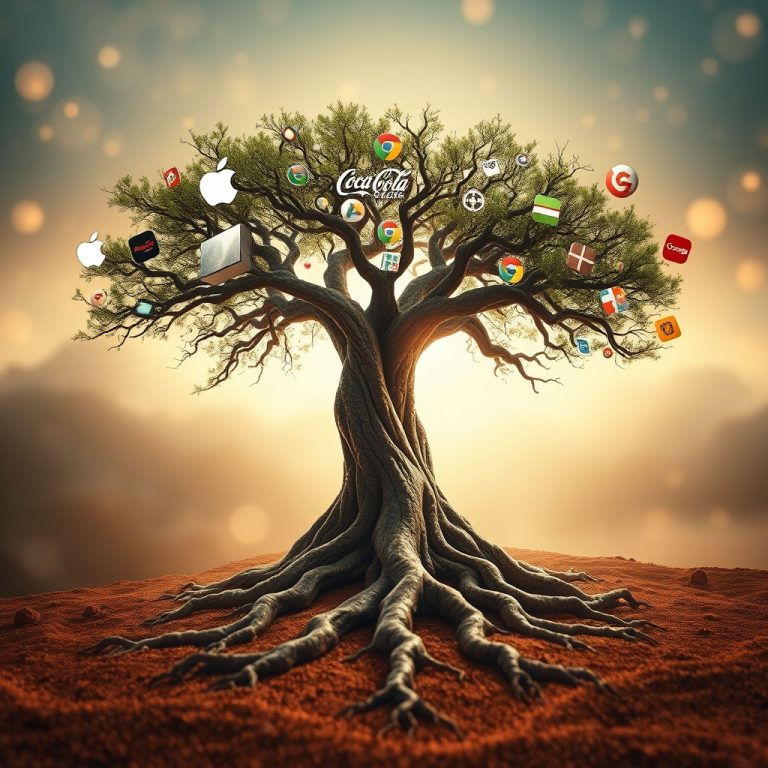
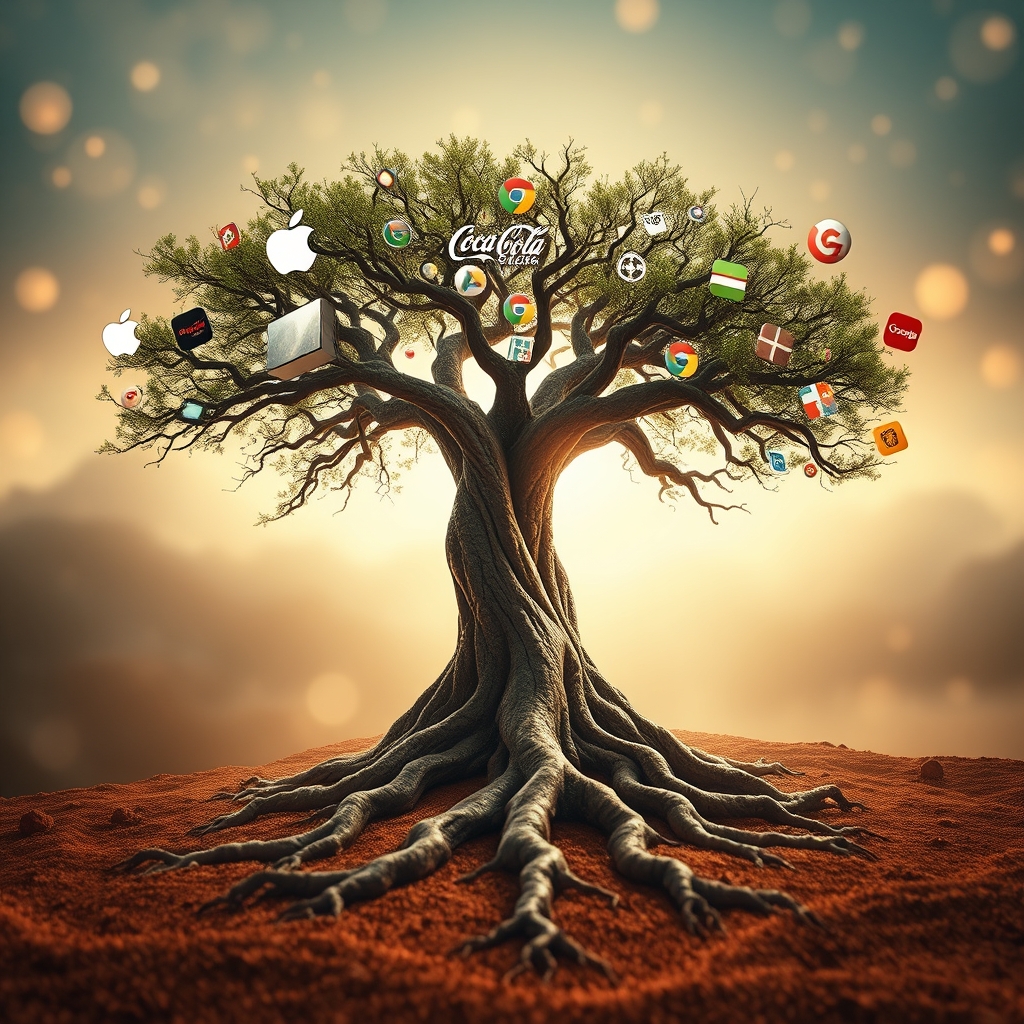
There is a quiet magic in the way a name can carry the weight of decades, yet still find the strength to shed its skin. Brand evolution is not merely a change in aesthetics or a shift in marketing strategy—it is the living, breathing testament to a company’s journey through time, culture, and the collective consciousness of its audience. Like the rings of an ancient tree, each rebranding tells a story of adaptation, resilience, and the relentless pursuit of relevance. But what happens when the essence of what a brand stands for begins to blur, or when the world around it demands more than just a fresh coat of paint?
The Silent Dialogue Between Past and Present
Every logo, every tagline, every subtle tweak in typography is a conversation between a brand and its audience. Consider the metamorphosis of Apple—from the rainbow-striped apple of the 1970s, a symbol of creativity and rebellion, to the sleek, minimalist monochrome of today. The change was not just about aesthetics; it mirrored the company’s shift from a niche computer manufacturer to a global icon of innovation and design. Yet, even as the logo evolved, the core of what Apple represented—simplicity, elegance, and a touch of defiance—remained intact. This is the delicate balance of rebranding over time: honoring the past while embracing the future.
But not all brand transformations are so seamless. Some are born of necessity, others of crisis, and a few from sheer audacity. Take the case of Burberry, once synonymous with British aristocracy, later hijacked by counterfeiters and associated with a very different kind of subculture. The brand’s revival in the early 2000s was not just about slapping a new logo on old products—it was a complete identity shift. By reclaiming its heritage while infusing modern energy, Burberry didn’t just survive; it redefined luxury for a new generation. The lesson? A brand’s name and logo are not just visual markers; they are emotional anchors, and their evolution must be handled with care.
When the Name No Longer Fits: The Courage to Reinvent
Sometimes, a brand’s evolution demands more than a facelift—it requires a complete rebirth. Google’s transformation into Alphabet is a prime example. The decision to rebrand was not about abandoning its roots but about acknowledging that the company had grown far beyond its original identity as a search engine. By creating a parent company, Google signaled a new era of ambition, one where it could explore everything from self-driving cars to life sciences without being confined by its name. This kind of brand metamorphosis is rare, but when executed well, it can redefine an entire industry.
Yet, not every rebranding story is one of triumph. Some brands stumble when they lose sight of what made them special in the first place. Gap’s infamous 2010 logo redesign, which lasted all of six days before being scrapped, is a cautionary tale. The backlash was swift and brutal, proving that consumers don’t just buy products—they buy into a story, a feeling, a sense of belonging. When a brand’s evolution feels forced or disconnected from its heritage, the audience notices. The key is to listen—not just to market trends, but to the unspoken emotions that tie a brand to its community.
The Psychology Behind the Change
Why do some rebrands resonate while others fall flat? The answer lies in psychology. Humans are wired to seek familiarity, yet we are also drawn to novelty. A successful brand transformation strikes a balance between the two. It reassures the audience that the essence of the brand remains, even as it introduces something new. Think of Coca-Cola’s shift from its classic script to the dynamic, ever-changing designs of today. The brand has managed to stay fresh without losing its soul, because at its core, Coca-Cola isn’t just a soda—it’s a symbol of shared moments, of nostalgia, of happiness.
This psychological dance is what makes brand evolution so fascinating. It’s not just about what changes; it’s about what stays the same. The most iconic brands understand that their identity is not just in their logo or name, but in the emotions they evoke. When a brand evolves, it’s not just updating its look—it’s inviting its audience to grow with it, to see themselves reflected in its new chapter.
The Unwritten Future of Brand Evolution
As we look ahead, the pace of change will only accelerate. Technology, culture, and consumer expectations are shifting faster than ever, and brands must adapt or risk becoming relics of the past. But evolution is not just about keeping up—it’s about leading the way. The brands that will thrive are those that understand their own story, that listen to their audience, and that have the courage to reinvent themselves without losing sight of who they are.
Perhaps the most beautiful thing about brand evolution is that it is never truly finished. Like a river carving its path through stone, a brand’s identity is shaped by time, by challenges, by the people who love it and the moments it helps create. The next time you see a logo that looks different from what you remember, pause for a moment. There’s a story there—a story of growth, of resilience, of a brand daring to ask, “What’s next?” And in that question lies the power to shape not just a company’s future, but the future of the world it inhabits.
So the next time you encounter a brand that has changed its name, logo, or meaning, ask yourself: What is this evolution really about? Is it a response to the world, or an invitation to reimagine it? Because in the end, the most enduring brands are not the ones that never change, but the ones that change with purpose, with heart, and with an unshakable sense of who they are—and who they aspire to be.
About the Author